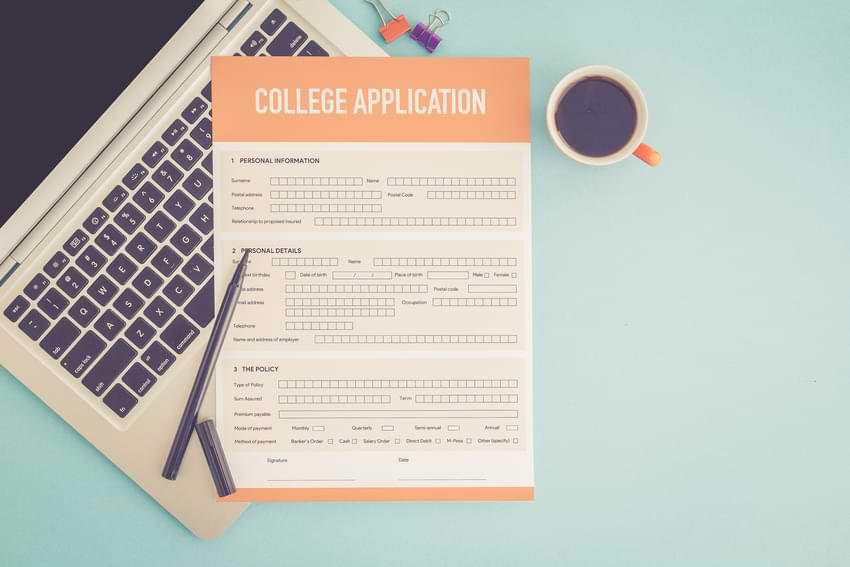
Middle school lays the groundwork for future academic success. With the help of early education consulting services, students can develop essential skills like critical thinking, organization, and problem-solving. These services, paired with insights from educational consultant services, ensure personalized support to meet each student’s unique needs. By fostering a strong academic foundation, students build the confidence and habits required to excel in school and beyond. Early intervention and expert guidance during these pivotal years set the stage for lifelong learning and achievement.
Middle school is a pivotal chapter in a child’s educational journey. The habits and skills established in these years often set the tone for future academic success, fostering resilience, independence, and confidence.
Whether your child dreams of pursuing higher education or excelling in other fields, building a solid academic foundation during middle school is key to achieving those goals.
This guide explores key skills that middle school students should develop, providing actionable tips parents and students can use to lay a strong groundwork.
Why Are Middle School Years Critical?
Middle school serves as the bridge between elementary education and high school. During these years, students face increasing academic challenges, social changes, and extracurricular opportunities.
This phase provides an important opportunity to teach time management, independent problem-solving, and other fundamental skills essential for success in high school and beyond.
Early intervention and consistent effort during this time can help students gain a strategic educational advantage. Working alongside an education services consultant can also provide personalized strategies that cater to a child’s unique strengths and weaknesses.
Essential Skills for Academic Success
1. Time Management
Time management is arguably one of the most valuable skills a middle school student can master. Juggling multiple subjects, projects, and extracurricular activities can overwhelm students who lack structure and organization.
How to Develop Time Management Skills:
- Use a Planner or Calendar: Encourage your child to write down important due dates and create a weekly schedule for homework, tests, and activities.
- Prioritize Tasks: Teach students to identify high-priority tasks and plan their day accordingly.
- Set Small Goals: Breaking larger assignments into manageable tasks helps students stay on track without feeling overwhelmed.
By fostering these habits early, students can confidently handle deadlines and workload challenges as they progress to high school and beyond.
2. Study Skills and Critical Thinking
Strong study habits and critical thinking skills form the backbone of academic success. Effective studying goes beyond rereading notes; it’s about engaging with material and understanding it deeply.
How to Enhance Study Skills:
- Teach Active Learning: Encourage students to annotate texts, ask questions, and summarize concepts in their own words.
- Practice Note-Taking: Introduce methods like Cornell Notes and mind mapping to help students organize information.
- Develop Analytical Thinking: Encourage them to connect concepts across different subjects to promote deeper understanding.
If students struggle with these areas, working with educational consulting services can offer tailored strategies to turn weaknesses into strengths.
3. Organization
Organization is often overlooked, but it plays a crucial role in a student’s academic foundation. Losing homework, forgetting test dates, or falling behind on assignments can impact grades and confidence.
Tips for Staying Organized:
- Create a Dedicated Study Space: Keep all school supplies, tools, and books in one designated area.
- Color-Code Materials: Use color-coded folders and notebooks for each subject to quickly locate notes and assignments.
- Declutter Weekly: Take a few minutes on weekends to review and clear out unnecessary papers from bags or binders.
Many higher education consulting services emphasize that organizational skills learned in middle school can significantly benefit students as they prepare for college and beyond.
4. Communication Skills
Middle school is the time for students to learn how to express their thoughts clearly, both verbally and in writing. These skills are critical for everything from class discussions to essays or collaborative group projects.
How to Build Communication Skills:
- Encourage Writing Practice: Creating journals or writing short essays can improve written communication.
- Promote Class Participation: Encourage students to ask questions and offer their opinions during lessons.
- Develop Conflict Resolution Skills: Teach students to resolve disagreements constructively, whether it’s with classmates, teachers, or family members.
Strong communication benefits students academically and socially as they build healthy relationships and network effectively in later years.
5. Goal Setting and Self-Motivation
Goal setting is a skill that encourages discipline and responsibility. When middle schoolers set achievable goals, they gain a clear sense of direction and self-motivation to keep progressing.
Help Students Set and Achieve Goals:
- Start Small: Teach students to set short-term, specific goals, such as improving performance in a specific subject.
- Track Progress: Create charts or use apps to track milestones and celebrate successes.
- Focus on Effort Over Outcome: Reward persistence and growth rather than just perfect results.
Enlisting the help of an education services consultant can help in creating realistic academic targets while developing self-discipline and motivation.
6. Digital Literacy
Technology is embedded in modern education, making digital literacy an essential skill. Middle schoolers need to learn how to use tools like word processors, spreadsheets, and presentation software. Additionally, they must learn to conduct online research responsibly and discern credible sources from misinformation.
Foster Digital Literacy:
- Introduce Productivity Tools: Teach students to use apps like Google Docs, Slides, and Sheets for their assignments.
- Discuss Online Safety: Educate students about cybersecurity and the importance of protecting personal information.
- Develop Research Skills: Show them how to evaluate sources, cite information properly, and avoid plagiarism.
These foundational digital skills can help students adapt to the demands of more advanced coursework in high school and college.
Leveraging Expert Guidance
While parents and teachers play vital roles in nurturing these essential skills, collaborating with educational consulting services can provide an added advantage. Consultants bring expertise to guide families in designing personalized educational plans, identifying areas for improvement, and providing targeted solutions.
For students aiming to secure admissions to competitive institutions, working with higher education consulting services can streamline the application process by helping students maximize their full potential academically and personally.
Unlock an Academic Edge for Your Middle Schooler
Middle school is more than transitional years; it’s the foundation for future achievements. By focusing on essential skills like time management, critical thinking, organization, and digital literacy, middle schoolers can build the competence and confidence they need to succeed in high school, college, and beyond.
Ready to take your academic journey to the next level?
Explore the transformative power of InsightIQ, where personalized education solutions meet innovative technology. If you’re a student striving for academic excellence, InsightIQ offers tailored strategies that align with your unique learning style. Contact us today to learn more about our services and start optimizing your educational experience!